
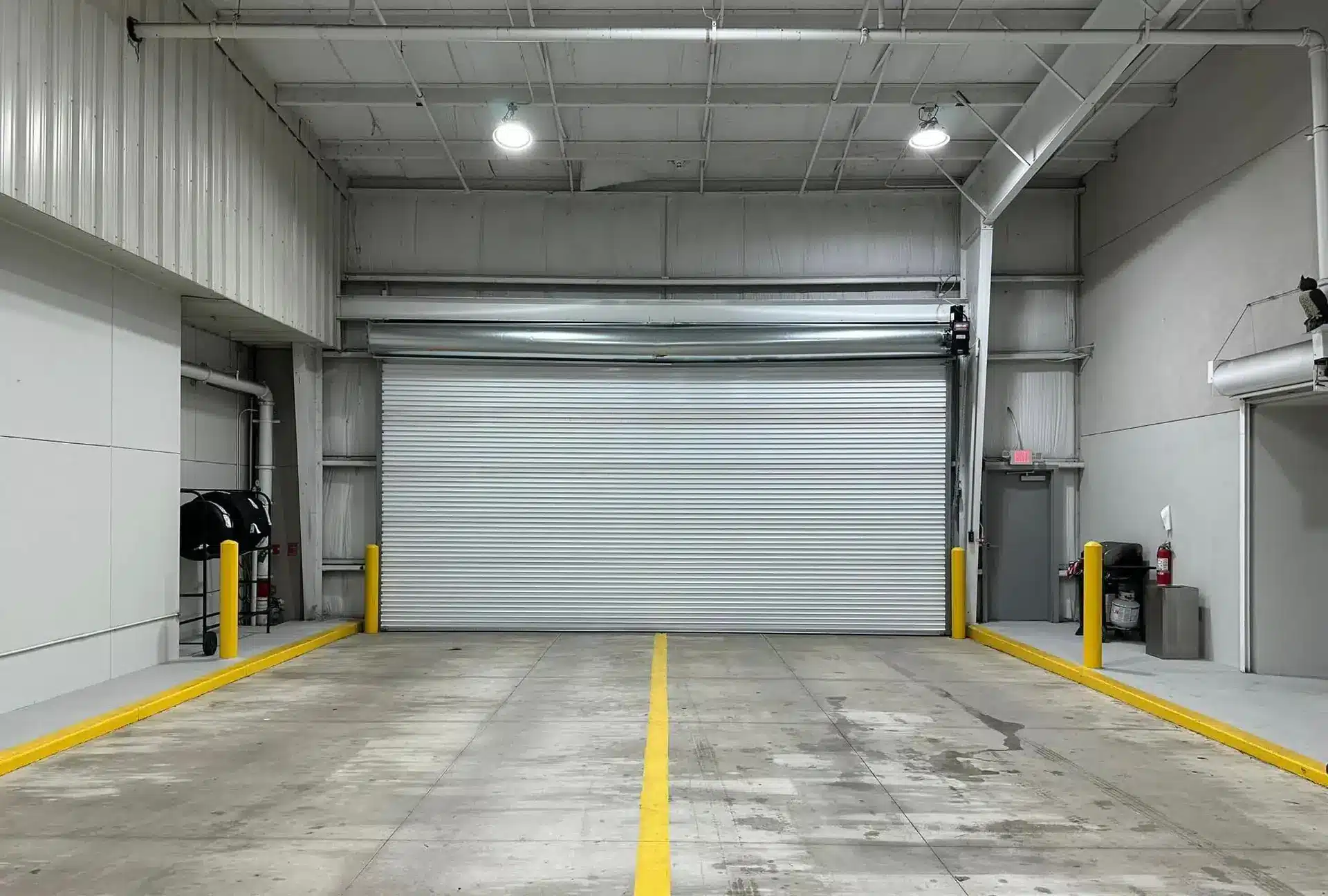
A box truck roll-up door rarely becomes a priority until a driver cannot open it at a delivery stop, the door drops harder than usual, or a damaged cable takes a truck out of service. By then, a relatively small wear issue may have already turned into lost route time, an emergency repair, or a vehicle that cannot properly secure its cargo.
The difficult part for fleet owners is that roll-up door problems often develop gradually. A fraying cable, worn roller, stiff hinge, weakening bottom seal, or poorly balanced door may continue working long enough to look serviceable during a quick walkaround. Frequent loading cycles, road vibration, impacts from cargo or equipment, rain, humidity, dirt, and coastal salt exposure can continue adding wear in the meantime.
Ignoring those changes can eventually make the door harder for drivers to operate, damage surrounding components, leave cargo exposed to weather, or create a serious safety concern if the counterbalance system fails.
A consistent box truck roll up door maintenance program helps you catch those problems earlier, plan repairs around fleet schedules, and know when a door should come out of service instead of being sent on another route.
Understand What Keeps a Box Truck Roll-Up Door Moving
A truck roll-up door may look relatively simple from the rear of the vehicle, but several components work together every time a driver opens or closes it. Maintenance becomes easier when your fleet team knows which parts need observation and which ones should only be serviced by trained personnel.
Typical truck and trailer roll-up systems can include panels or slats, hinges, rollers, tracks, lift cables, cable drums, a spring-loaded counterbalance assembly, bottom hardware, seals, a lock, and a pull strap. Whiting and TODCO both identify these types of components throughout their truck-door maintenance and service documentation.
A problem with one component can also affect another. A damaged roller may make the door bind in the track. A cable that is not winding properly can affect door balance. Damaged panels can interfere with movement through the curved section of the track.
That is why fleet maintenance should evaluate the complete door instead of simply replacing whichever component failed most recently.
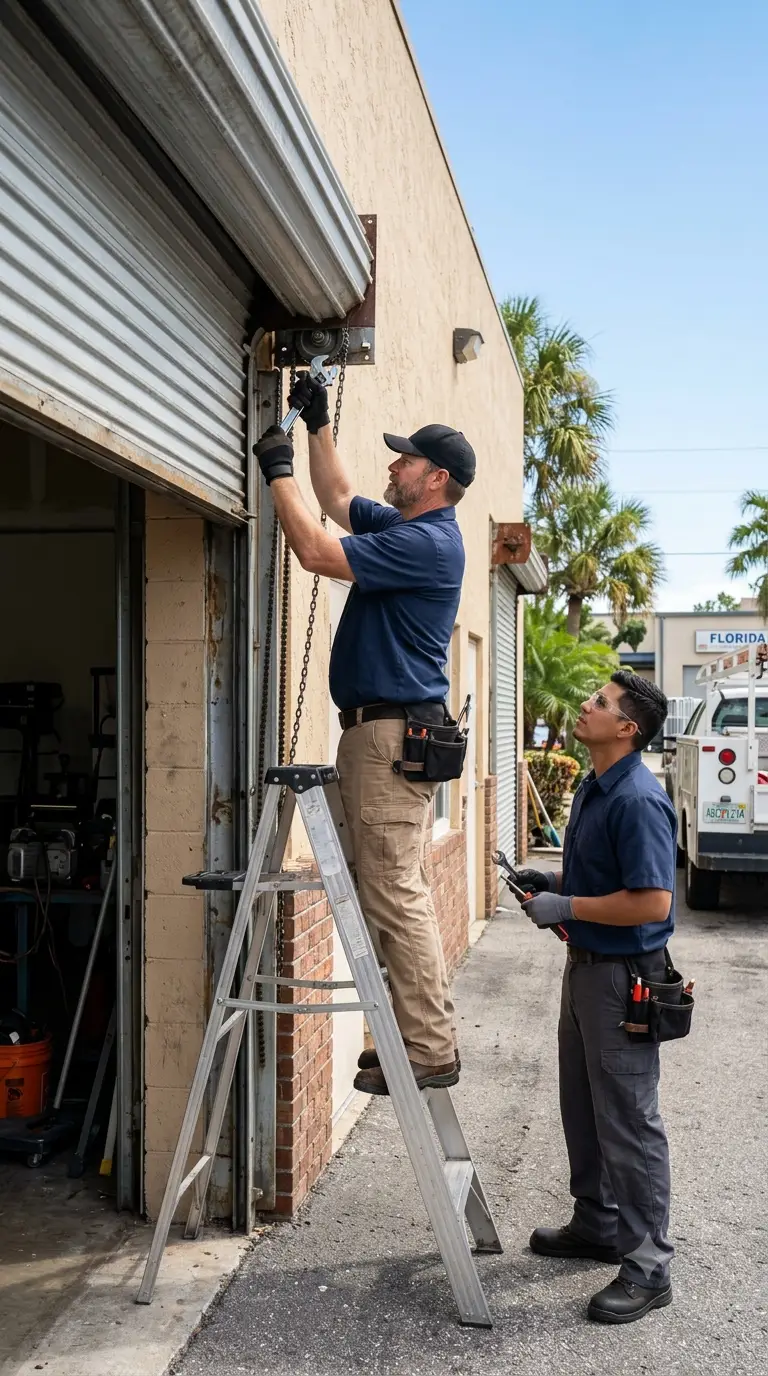
Add a Roll-Up Door Check to the Driver’s Routine
Your drivers operate the doors more often than anyone else, which makes them an important first line of detection. They do not need to diagnose or repair the system. They need to recognize when its behavior changes.
A quick operational check can identify developing problems before the truck leaves the yard or while the issue is still manageable.
Watch How the Door Opens and Closes
The door should move smoothly through its tracks without suddenly dropping, shooting upward, binding, or requiring excessive force.
TODCO specifically advises owners to pay attention when a roll-up door becomes difficult to move and to have the system checked if lubrication of approved components does not correct the issue. It also warns against trying to repair or adjust the spring or counterbalance assembly without proper training.
Drivers should report:
- A door that suddenly feels heavier
- Uneven movement from one side to the other
- Jerking or binding
- A door that will not stay where expected
- New scraping, popping, or grinding sounds
- Difficulty closing the door completely
- Changes in how the lock engages
A door that worked differently today than it did yesterday deserves attention even if it still opens.
Check the Pull Strap and Lock
The pull strap gets handled during normal operation and can wear gradually.
TODCO recommends inspecting the strap for fraying, wear, or other damage and replacing it when necessary. The manufacturer also recommends checking lock movement and replacing damaged or worn locking components.
Drivers should not tie cargo, tools, or other items to the pull strap. It should remain available for its intended purpose.
Inspect Cables Before They Become a Roadside Problem
Lift cables are among the components fleet teams should take seriously because they work with the counterbalance system to control a heavy moving door.
TODCO recommends checking cable attachment and replacing cables that are frayed, worn, or damaged. It also specifies that cable replacement and cable-drum adjustment should be performed by a trained service person.
During inspection, look for visible:
- Broken wire strands
- Fraying
- Kinks
- Corrosion
- Uneven cable tracking
- Slack on one side
- Damage around attachment points
Do not wait for a cable to separate completely before scheduling service.
A partially damaged cable may continue lifting the door while placing greater stress on the remaining system. Once it fails, the truck may be left with a heavy door that cannot be operated normally.
Check Rollers, Hinges, Tracks, and Fasteners
The door travels through the same path every time it is opened. Small alignment and hardware problems can therefore repeat hundreds or thousands of times across a fleet.
Regular inspection should focus on the components guiding that movement.
Look for Worn Rollers and Hinges
Rollers should move smoothly through the track rather than dragging, wobbling excessively, or seizing.
Hinges should remain securely attached and should not show obvious cracks, severe wear, missing fasteners, or distortion.
TODCO recommends inspecting fasteners on hinges and other door hardware and replacing or tightening loose components as appropriate. It also recommends replacing damaged or worn rollers and hinges.
One worn roller may seem minor, but allowing it to continue binding can place additional force on the hinge, track, and surrounding panels.
Keep the Tracks Clear
Cargo, straps, packaging, debris, and damaged interior materials can interfere with the track area.
TODCO advises keeping tracks and the door opening unobstructed.
Fleet teams should also watch for bent track sections, loose attachment points, and impact damage. If the roller is repeatedly striking or catching at the same location, do not simply force the door through it.
Do Not Ignore Door Balance or Counterbalance Problems
A properly operating roll-up door should not depend entirely on the driver’s strength to move a heavy door overhead. The counterbalance system helps manage that weight.
This is also where routine maintenance can become dangerous if someone without proper training starts adjusting components.
Whiting states that a properly balanced door should neither fly open nor fall closed. Its service procedures also show that cable and balancer work involves controlled spring tension and specific safety procedures.
TODCO gives an even clearer warning: a door with a broken counterbalance spring should not be operated because it is no longer properly counterbalanced and can fall when opened.
If a door suddenly becomes extremely heavy, falls instead of remaining controlled, or rises aggressively on its own, remove the truck from normal door use and arrange professional service.
Lubricate the Right Parts With the Right Product
Lubrication is an important part of box truck roll up door maintenance, but spraying grease over every moving component can create new problems.
Different manufacturers specify which components require lubrication and which product should be used.
TODCO identifies springs, rollers, bearings, hinges, and locks among the components that may require its designated lubricant.
Whiting specifically warns against using grease on its roll-up door system because grease can sit on component surfaces and attract dirt, dust, and salt. Its maintenance instructions call for the manufacturer’s recommended spray lubricant instead.
For a mixed fleet, do not create one universal lubrication procedure without checking each door manufacturer.
Your maintenance record should identify the door model and the approved lubricant, points of application, and service interval for that system.
Pay More Attention to Corrosion in South Florida Fleets
South Florida fleet vehicles regularly operate in humidity and heavy rain, and vehicles working near coastal areas may encounter additional salt exposure.
That can matter at hinges, cables, tracks, fasteners, springs, locks, and exposed metal surfaces.
Some truck-door manufacturers build corrosion protection into their products. Whiting, for example, identifies rust-preventative treatment on certain counterbalance springs and E-coated hardware on several of its roll-up door designs.
Protective coatings do not eliminate the need for inspection.
Look for rust, pitting, damaged coatings, stiff hardware, deteriorating fasteners, and corrosion around areas where water tends to collect. Trucks operating close to the coast or routinely exposed to washing and wet conditions may deserve more frequent checks.
Inspect Seals and Panels for Cargo and Weather Protection
A roll-up door can continue opening normally while no longer sealing the cargo area properly.
Bottom seals, side seals, top seals, and panel joints should therefore be included in fleet inspections.
Look for:
- Torn or missing bottom seals
- Gaps around the closed door
- Bent bottom channels
- Cracked or damaged panels
- Loose panel hardware
- Water intrusion
- Daylight visible around areas that previously sealed
- Impact damage from forklifts, pallet jacks, carts, or cargo
Whiting truck-door designs commonly use replaceable bottom seals and adjustable sealing components, illustrating that weather closure is part of the door system rather than a cosmetic detail.
For refrigerated or temperature-sensitive cargo, seal condition becomes even more important.
Build Maintenance Around Fleet Use, Not Just the Calendar
A truck making a few scheduled stops each day does not put the same number of cycles on its roll-up door as a high-volume delivery vehicle opening at dozens of locations.
Maintenance intervals should reflect actual use.
Track each truck by unit number and record:
- Door manufacturer and model
- Inspection dates
- Approximate route and door usage
- Cable replacements
- Roller and hinge repairs
- Panel repairs
- Spring or balancer service
- Seal replacements
- Lubrication
- Collision or loading damage
- Driver complaints
- Recurring issues
This makes it easier to identify doors consuming an unusual amount of repair time and to schedule preventive work while another vehicle can cover the route.
A maintenance record can also help you distinguish a one-time damaged roller from a door that repeatedly develops cable, alignment, or balance problems.
Know When a Truck Should Not Continue With the Door in Service
The temptation to send a truck out for one more route can be strong when deliveries are already scheduled. Some door conditions should outweigh that pressure.
Take the door out of normal use and arrange qualified service when you find:
- A broken counterbalance spring
- Frayed or damaged lift cables
- A door that drops unexpectedly
- Severe imbalance
- A door coming out of its track
- Significant panel or track damage
- A lock that cannot secure the cargo area
- Broken rollers or hinges affecting movement
- A door that cannot close completely
- Uncontrolled or unpredictable movement
The door should also be fully closed and locked before the vehicle is driven. TODCO explicitly includes closing and locking the door before driving among its operating safety instructions.
A delayed truck is inconvenient. A heavy roll-up door failing while a driver or employee is beneath it is a much larger problem.
Keep Small Door Problems From Becoming Fleet Downtime
Box truck roll-up doors work every time cargo is loaded, unloaded, secured, or delivered, which makes their condition an operational issue rather than a cosmetic one.
A good maintenance program does not require drivers to become door technicians. It requires them to notice changes, report damage, and stop using equipment when a condition appears unsafe. Fleet maintenance teams can then track wear, keep approved lubrication and inspections on schedule, and bring in trained truck-door service personnel for cables, springs, counterbalance assemblies, major alignment problems, and other specialized repairs.
That distinction matters. Vehicle-mounted roll-up doors use truck and trailer door systems with their own components and service procedures. Fleet owners should use technicians experienced with the specific manufacturer and door installed on the vehicle rather than treating the repair like a standard building garage door.
Catching wear before a cable breaks, roller seizes, spring fails, or door stops closing gives your team a better chance to schedule the repair instead of letting the door schedule it for you.
Frequently Asked Questions About Box Truck Roll-Up Door Maintenance
How often should a box truck roll-up door be inspected?
There is no single interval that applies to every fleet. Inspection frequency should account for the door manufacturer, route demands, daily cycles, environment, and previous repair history. High-use delivery trucks may need closer attention than vehicles whose doors open only a few times per day.
What should drivers inspect on a box truck roll-up door?
Drivers can watch door movement and visually check cables, rollers, hinges, panels, tracks, seals, the pull strap, and the lock for obvious changes or damage. Spring and counterbalance repairs should be left to trained service personnel.
Why is my box truck roll-up door suddenly hard to lift?
Possible causes include damaged rollers, poor lubrication, track problems, cable issues, or a counterbalance problem. TODCO recommends professional inspection when approved lubrication does not correct difficult door movement.
Can I keep using a box truck door with a frayed cable?
A frayed or damaged cable should be replaced rather than left in service. TODCO recommends having damaged cables replaced and specifies trained service for cable replacement and cable-drum adjustment.
Can fleet mechanics adjust the roll-up door spring?
Only personnel trained and equipped for the specific door system should perform spring or counterbalance work. These assemblies operate under high tension and can cause serious injury if handled incorrectly. Whiting specifically cautions inexperienced personnel against attempting truck roll-up door repair and installation procedures involving these systems.
What should I use to lubricate a box truck roll-up door?
Follow the door manufacturer’s instructions. Do not assume standard grease is appropriate. Whiting specifically warns against grease on certain roll-up systems and recommends its designated spray lubricant, while TODCO provides a lubricant formulated for its truck-door components.
Why does my roll-up door fall when I open it?
A door that falls or becomes unusually heavy may have a counterbalance problem, including a broken spring. TODCO warns not to operate a door with a broken counterbalance spring because the door can fall when opened.
Can one damaged box truck door panel be replaced?
Many truck roll-up door systems allow individual panel replacement, depending on the manufacturer, model, panel position, and extent of damage. Whiting publishes manufacturer-specific procedures for replacing individual bottom and intermediate panels.
Why does the roll-up door bind in the track?
Binding can result from damaged rollers, bent or misaligned track, cargo obstruction, panel damage, hardware problems, or counterbalance issues. Do not repeatedly force the door through the binding point because that can damage additional components.
How can South Florida weather affect a box truck roll-up door?
Humidity, rain, road contaminants, and coastal salt exposure can contribute to corrosion and buildup on metal components. Inspect cables, fasteners, hinges, tracks, locks, springs, and other hardware for deterioration and follow the manufacturer’s cleaning and lubrication instructions.
Should the box truck roll-up door be locked while driving?
Yes. TODCO directs operators to close and lock the roll-up door before driving the vehicle.
When should a roll-up door be replaced instead of repaired?
Consider the extent and location of damage, availability of compatible parts, repeated repair history, condition of the tracks and counterbalance system, security, sealing, and overall door condition. A qualified truck-door technician can determine whether replacing individual components still makes sense or whether the complete door has reached the point where replacement is more practical.