
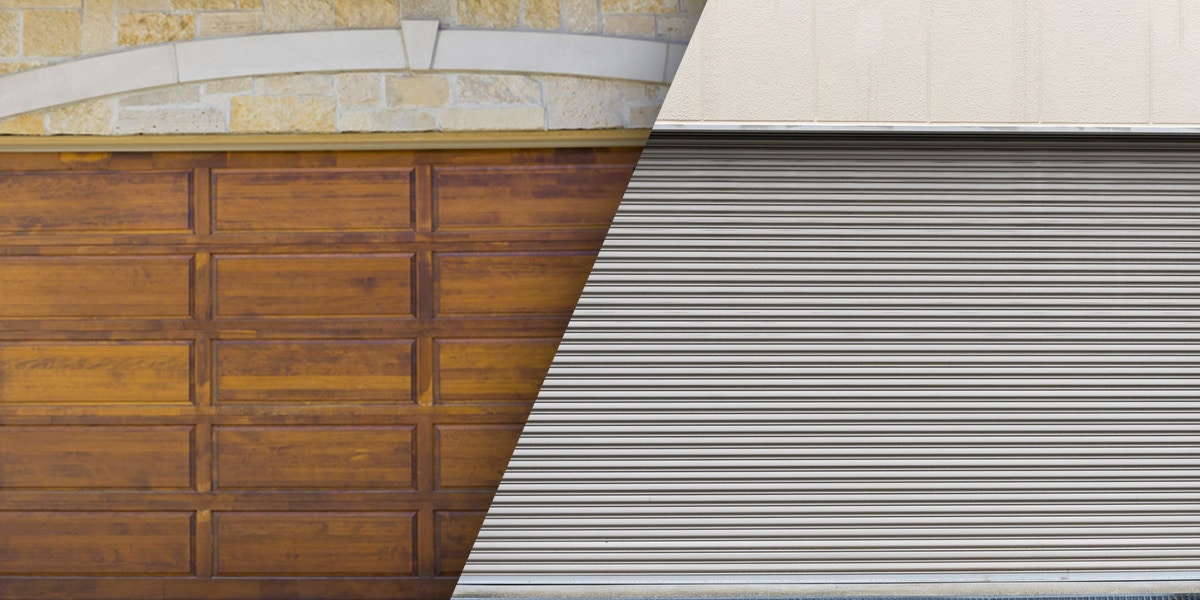
Choosing a garage door material usually starts with appearance. You may prefer the clean look of aluminum and glass, the strength of steel, or the character of real wood, and once you find a style that suits your home, the decision can feel nearly finished.
Florida adds a few complications. Heat, humidity, heavy rain, coastal salt exposure, maintenance demands, and hurricane requirements can affect how well a garage door holds up long after installation. A material that looks perfect in a showroom may require more upkeep than expected or may not be the best fit for the conditions around your property.
That matters because a garage door is not something most homeowners want to replace again after only a few years because of corrosion, weathering, dents, or ongoing maintenance problems. Material also should not distract from another important question: whether the actual door system meets the wind and impact requirements that apply to your home.
Comparing the most common garage door materials by durability, maintenance, appearance, insulation, coastal exposure, and storm requirements can help you choose a door that makes sense beyond curb appeal.
Why Florida Changes the Garage Door Material Decision
Steel, aluminum, and wood can all be used to create attractive garage doors, but Florida exposes those materials to conditions that homeowners in milder climates may not have to consider as carefully.
The right choice depends partly on where you live, how exposed the garage is, how much maintenance you want to take on, and what you expect from the door.
Humidity and Salt Exposure Can Accelerate Wear
South Florida’s moisture is one concern, but homeowners near the coast also have to think about salt in the air.
Steel garage doors are typically protected by coatings and finishes, but salt exposure can contribute to corrosion if those protective surfaces become damaged or the door is not maintained. Amarr specifically recommends more frequent washing of steel and aluminum garage doors in salt-air environments and warns that salt spray can contribute to deterioration of steel surfaces.
That does not automatically make steel unsuitable for coastal homes. It means the door’s finish, construction, maintenance needs, and distance from strong salt exposure become more important parts of the decision.
Florida Sun and Moisture Affect Finishes Too
The material itself is not the only surface exposed to Florida weather.
Paint, stains, protective coatings, seals, decorative hardware, and other finishes also have to tolerate years of sun and moisture. This is especially important with natural wood because the material requires periodic inspection and refinishing to protect it from weathering and deterioration.
A homeowner who wants very little exterior maintenance may therefore evaluate the materials differently from someone willing to regularly maintain a premium wood door.
Hurricane Performance Is Not Determined by Material Alone
A steel garage door is not automatically hurricane-rated because steel is strong. An aluminum door is not automatically unsuitable because aluminum is lighter. A wood door cannot be judged by the material alone either.
Wind resistance and impact performance depend on the specific tested garage door assembly, including its construction, dimensions, reinforcement, tracks, hardware, anchoring, glazing, and approved installation.
For South Florida homeowners, material should therefore be considered alongside the product’s required wind and impact approval, not instead of it.
Steel Garage Doors: Strong, Versatile, and Relatively Low Maintenance
Steel is one of the most widely used garage door materials because it can balance durability, cost, insulation options, and design flexibility. Manufacturers offer steel doors in everything from basic single-layer construction to insulated multi-layer systems.
That flexibility makes steel worth considering for many Florida homes, but construction quality and exposure still matter.
Where Steel Has an Advantage
Steel works particularly well for homeowners who prioritize strength without wanting the maintenance demands of natural wood.
Depending on the model, steel doors can be available with:
- Single, double, or triple-layer construction
- Added insulation
- Traditional or contemporary panel designs
- Wood-look finishes
- Different gauges and reinforcement configurations
- Windows and decorative hardware
Insulated steel construction can also help reduce heat transfer and operating noise compared with an uninsulated single-layer door.
That can be useful when the garage is attached to the home, used as a workspace, or located beneath or next to living areas.
What Florida Homeowners Should Watch With Steel
The trade-off is corrosion risk, especially where salt exposure is significant.
Protective finishes help, but scratches, chips, neglected surfaces, and salt buildup can create opportunities for rust to develop. Homes close to the ocean may require more frequent cleaning and more attention to surface damage than properties farther inland.
Steel can also dent. A stronger steel construction may tolerate everyday use better than thinner material, so comparing two steel doors based only on the word “steel” does not reveal much about how each is actually built.
Aluminum Garage Doors: Lightweight With Strong Contemporary Appeal
Aluminum garage doors are often associated with modern homes, particularly designs that combine narrow aluminum frames with large glass panels.
Their appearance is only one advantage. Aluminum is lightweight, corrosion resistant, and relatively low maintenance, which can make it appealing in humid or coastal environments.
The trade-offs become clearer once you consider how the door will be used.
Why Aluminum Appeals to Florida Homeowners
Unlike steel, aluminum does not develop iron rust. That makes corrosion resistance one of its strongest advantages when comparing garage door materials for areas exposed to moisture and salt air.
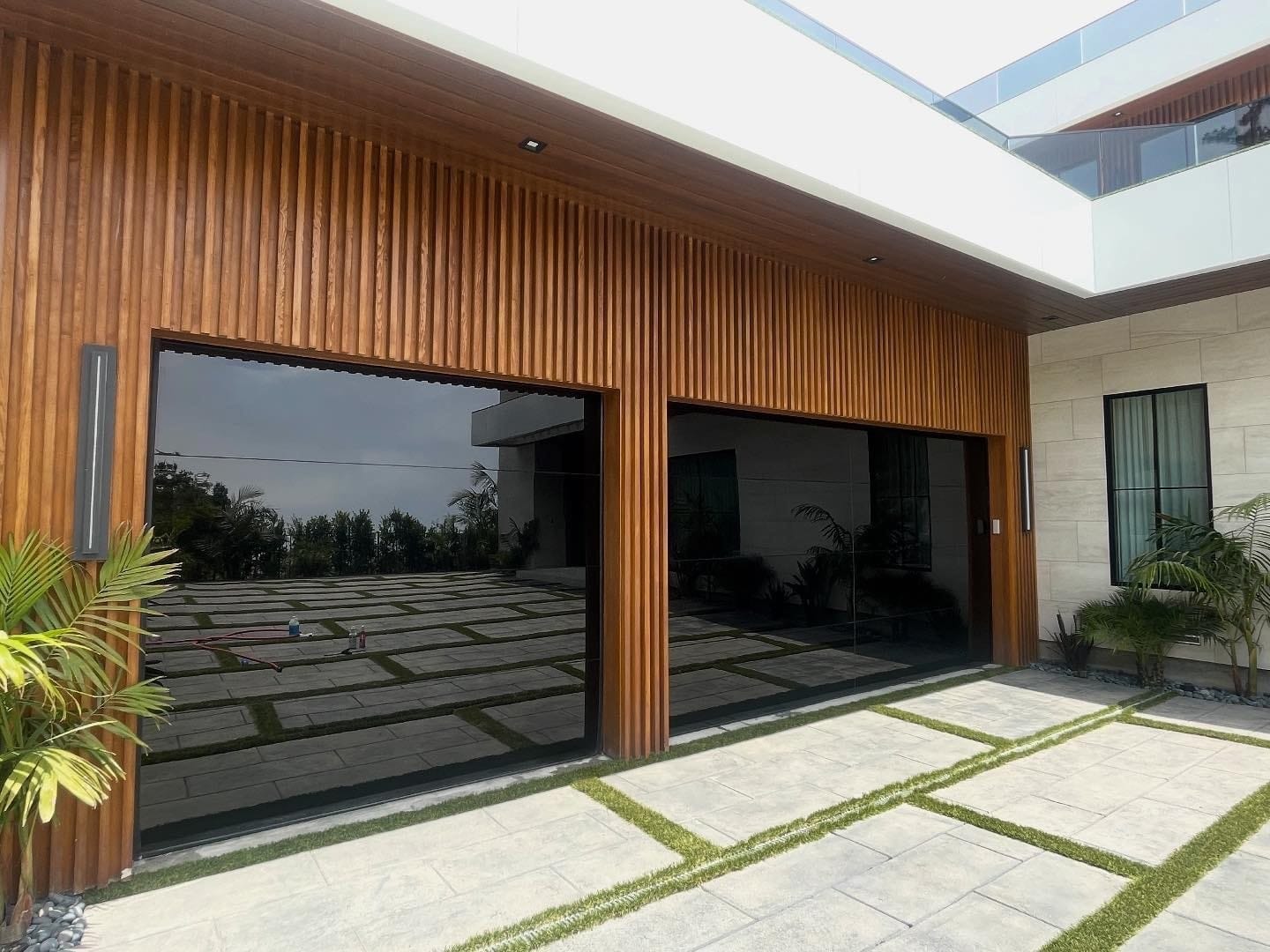
Aluminum is also well suited to full-view garage doors, where large areas of glass create a brighter, more contemporary exterior.
Rocket Garage Doors, for example, offers full-view aluminum door options with different frame finishes, glazing selections, and optional insulation depending on the particular system.
For a modern Florida home, that can create a very different architectural effect from a traditional sectional steel door.
The Main Trade-Off Is Dent Resistance
Aluminum is generally softer than steel, which means it can be more susceptible to dents and dings from physical impacts.
That may matter if children frequently play near the garage, vehicles maneuver close to the door, or the opening is exposed to situations where minor impacts are common.
Glass also changes the decision. If you are considering a full-view aluminum door in a hurricane-prone area, the exact glazing and door configuration must satisfy the necessary performance requirements. Choosing aluminum and choosing hurricane protection are two separate decisions that need to work together.
Wood Garage Doors: Natural Appearance With More Maintenance
Real wood offers something steel and aluminum try to imitate but cannot completely duplicate: natural variation in grain, texture, color, and finish.
For certain architectural styles, that can make wood an attractive premium choice. It can also be customized using different wood species, stains, paints, and carriage-house or contemporary designs.
Florida weather, however, makes maintenance an especially important part of the decision.
Wood Requires Ongoing Protection
Wood responds to moisture differently from metal.
Repeated exposure to humidity and moisture can contribute to swelling, warping, deterioration, or rot when the material is not properly protected. Manufacturers recommend regularly inspecting wood garage doors for weathering and refinishing them when the protective surface begins to deteriorate.
That does not mean a wood garage door cannot work in Florida. It means choosing wood also means accepting responsibility for its finish.
A homeowner who is comfortable maintaining that finish may consider the appearance worth the additional work. Someone looking for the least demanding option may reach a different conclusion.
Wood Can Also Be Heavier
Natural wood doors can be heavier than comparable aluminum or some steel constructions. That weight has to be accounted for in the complete garage door system, including the springs, hardware, tracks, and opener.
The door should therefore be selected and installed as a complete system rather than treating the panels and opener as unrelated purchases.
How Steel, Aluminum, and Wood Compare for Florida Homes
There is no single material that wins every category. The useful comparison is how each one matches your priorities and the conditions surrounding your property.
| Factor | Steel | Aluminum | Wood |
|---|---|---|---|
| Strength | Strong, depending on construction | Moderate, more prone to dents | Varies by construction |
| Maintenance | Relatively low | Relatively low | Higher |
| Coastal exposure | Requires attention to coating and salt | Strong corrosion resistance | Requires moisture protection |
| Style options | Very broad | Excellent for modern/full-view designs | Premium natural appearance |
| Insulation | Many insulated options available | Available on some systems | Depends on construction |
| Weight | Moderate to heavy | Lightweight | Often heavier |
| Dent resistance | Generally better than aluminum | More susceptible to dents | Not evaluated the same way as sheet metal |
| Wood appearance | Faux-wood finishes available | Some finish options | Genuine wood grain |
| Hurricane suitability | Depends on approved door system | Depends on approved door system | Depends on approved door system |
The table gives you a starting point, but the conditions around your garage can change which trade-offs matter most.
Which Garage Door Material Makes Sense for Your Priorities?
Before choosing a material, think about what you actually expect from the door over the next several years. That usually narrows the decision faster than choosing based on appearance alone.
If You Want Lower Maintenance
Steel and aluminum usually require less finish maintenance than natural wood.
Steel may offer greater dent resistance and more insulated configurations, while aluminum has an advantage where resistance to rust is particularly important.
If You Live Close to the Coast
Salt exposure deserves more weight in the decision.
Aluminum’s corrosion resistance can be attractive, while steel doors should have appropriate protective finishes and receive regular cleaning. Even aluminum doors still contain hardware and operating components that need routine care, so no material should be treated as completely maintenance-free.
If You Want a Traditional or Natural Look
Wood provides the genuine appearance, but steel can offer faux-wood finishes that reproduce much of that visual character with less maintenance.
This can be a practical compromise if you like carriage-house or wood-grain designs but do not want to regularly inspect, stain, paint, or refinish natural wood.
If Your Garage Is Attached to Living Space
Look beyond material and compare the door’s construction and insulation.
A multi-layer insulated steel door, for example, can perform very differently from a basic single-layer steel door. Likewise, some aluminum systems offer insulation while others prioritize glass and visibility.
The material name by itself does not tell you how well the finished door handles heat transfer or noise.
Do Not Choose a Material Before Checking Hurricane Requirements
Florida homeowners should make one final comparison before committing to any door: whether the exact product is suitable for the property.
A beautiful steel, aluminum, or wood garage door is not automatically the right garage door if its wind rating, impact performance, size limitations, glazing, or approval does not match the installation.
This becomes especially important in South Florida, where hurricane requirements can influence which models and configurations are available for a particular opening.
Material should therefore be one part of the selection process alongside:
- Product approval
- Required design pressures
- Impact resistance where applicable
- Garage door dimensions
- Glazing configuration
- Insulation
- Hardware and track requirements
- Installation specifications
- Local permitting requirements
The best result comes from choosing the material and the required performance together rather than deciding on appearance first and trying to make the technical requirements fit afterward.
Choose a Garage Door That Fits Your Florida Home
Steel, aluminum, and wood each solve a different set of priorities. Steel offers a strong balance of durability, design flexibility, insulation options, and manageable maintenance. Aluminum offers corrosion resistance, lighter construction, and a distinctive modern look. Wood delivers natural character but asks more from you in return through ongoing surface maintenance.
Your location, garage use, maintenance expectations, architectural style, coastal exposure, and hurricane requirements ultimately determine which trade-offs make sense.
Rocket Garage Doors helps homeowners across Broward, Miami-Dade, and Palm Beach Counties compare garage door options based on the needs of the property rather than material alone. If you are planning a replacement, contact Rocket Garage Doors to evaluate your opening and find a garage door that fits your home, design preferences, and South Florida conditions.
Frequently Asked Questions About Garage Door Materials
What is the best garage door material for Florida?
There is no single best material for every Florida home. Steel can offer strength and broad design options, aluminum provides strong corrosion resistance, and wood offers a premium natural appearance. Your location, maintenance preferences, budget, design goals, and required hurricane performance should guide the choice.
Is steel or aluminum better for a coastal home?
Aluminum has an advantage because it does not develop iron rust and is naturally corrosion resistant. Steel can still be used successfully in coastal environments, but protective finishes and regular cleaning become more important where salt exposure is high.
Do steel garage doors rust in Florida?
They can. Modern steel doors typically have protective coatings, but scratches, damaged finishes, moisture, and salt exposure can contribute to corrosion. Coastal homeowners should follow the manufacturer’s cleaning and maintenance instructions.
Are aluminum garage doors hurricane resistant?
Some are, but aluminum construction alone does not make a door hurricane resistant. The exact garage door assembly must have the appropriate testing, wind rating, impact performance, and approval for the installation.
Are wood garage doors practical in Florida?
They can be, particularly for homeowners who prioritize appearance and are prepared for regular maintenance. Florida humidity and moisture make inspecting and maintaining the protective finish particularly important.
Do wood garage doors rot?
Wood can deteriorate or rot when moisture repeatedly reaches unprotected material. Proper sealing, painting or staining, routine inspection, and timely refinishing help protect the door.
Which garage door material requires the least maintenance?
Aluminum and steel generally require less surface maintenance than natural wood. Actual maintenance requirements still depend on the finish, coastal exposure, hardware, door construction, and manufacturer recommendations.
Which garage door material is best for insulation?
Do not judge insulation based on material alone. Many steel doors are available with multi-layer insulation, and some aluminum and wood doors also include insulated construction. Compare the specifications of the complete door rather than assuming one material is always more energy efficient.
Is aluminum more expensive than steel?
Aluminum doors can cost more than basic steel models, particularly full-view systems with substantial glazing. Pricing varies widely based on size, construction, glass, finish, insulation, wind requirements, and customization.
Can I get a steel garage door that looks like wood?
Yes. Steel garage doors are available with wood-look textures and finishes that provide much of the appearance of natural wood without the same refinishing requirements.
Does garage door material affect the opener I need?
It can. Door weight, dimensions, construction, balance, and operating requirements all affect the complete system. Wood doors may be heavier, while aluminum tends to be lighter. The opener and spring system should be properly matched to the installed door.
Should I choose the garage door material or hurricane rating first?
Consider them together. Your preferred material narrows the design choices, but the final product still needs to meet the wind, impact, dimensional, and approval requirements that apply to your home.