
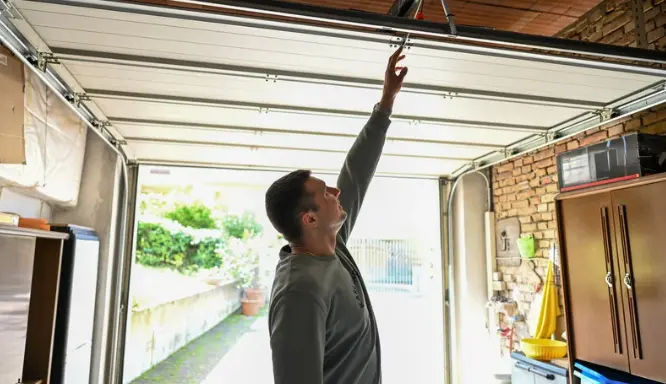
Your garage door is made up of many connected parts that work together every time the door opens or closes. With regular use over the years, those parts naturally begin to wear down, which can affect how smoothly the door operates and how safe it is to use. Components such as springs, cables, and the motor gradually weaken as they handle repeated movement and load, while surrounding conditions like weather can accelerate that wear.
Understanding how this gradual breakdown occurs makes it easier to recognize when professional attention may be needed, including situations that could otherwise escalate into emergency garage door repair. Wear is unavoidable in any garage door system, but ongoing care helps identify developing issues before they grow into larger problems. Addressing early signs of wear can reduce the chance of sudden failures and help ensure the door continues to function reliably when it is needed most.
How Wear and Tear Affects Garage Door Repair
The constant strain of daily use gradually takes a toll on every part of a garage door system. Each time the door is raised or lowered, its weight places stress on the springs, cables, rollers, and tracks, and that repeated effort adds up over time. As materials weaken and alignment shifts, the door may begin to operate less efficiently, creating conditions that eventually make garage door repair unavoidable. These issues do not correct themselves, and without attention, they continue to develop beneath the surface.
In the early stages, wear-related problems are often subtle. A new sound during operation or a brief hesitation as the door moves can signal that internal components are under strain. When these early warning signs are ignored, stress from one failing part transfers to others, accelerating wear across the entire system. What begins as a minor issue can grow into a more extensive repair as the door’s components struggle to compensate for the imbalance.
For a deeper look at how these changes develop over time, explore our blog “Why Does Garage Door Repair Become Necessary Over Time?”
Natural Deterioration of Garage Door Components Over Time
Every garage door is built with parts designed to function for a limited number of operating cycles. Springs, cables, and rollers are engineered for durability, but repeated use eventually reduces their strength and reliability. Exposure to moisture can cause cables to corrode or fray, while springs gradually lose the tension required to support the door’s weight. This type of deterioration is a normal part of a garage door’s lifespan.
Problems arise when worn components continue to carry loads they are no longer equipped to handle. A weakened cable is more likely to fail under pressure, and a fatigued spring may struggle to keep the door balanced during movement. As these parts decline, the system can become unpredictable and unsafe. Without regular attention, these changes may go unnoticed until a sudden failure disrupts normal operation.
Catching wear early helps prevent unnecessary strain on the rest of the system. When one component weakens, others must work harder to compensate, which increases the risk of additional failures. Professional evaluation can identify these worn elements before they cause widespread damage, preserving the integrity of the garage door and reducing the likelihood of premature system breakdown.
The Influence of Daily Operation and Environmental Exposure
The frequency with which a garage door is used plays a significant role in how quickly its components wear down. Doors that are opened and closed multiple times each day experience more stress than those used occasionally, and every movement places strain on the motor, hardware, and structural supports. Over time, this steady workload contributes to the gradual decline in performance that leads to repair needs.
Environmental conditions can further accelerate this process. High humidity and frequent rainfall encourage rust on metal components such as tracks, springs, and cables, while coastal air can intensify corrosion due to its salt content. In areas with wide temperature swings, repeated expansion and contraction place additional stress on moving parts, which can affect alignment and increase friction within the system.
The quality of the original installation also influences how wear is distributed. A properly aligned and balanced garage door spreads its load evenly, allowing components to age at a similar rate. When a door is not balanced correctly, certain areas absorb more stress than others, leading to uneven wear that can accelerate problems such as garage door cable repair. Over time, this imbalance can shorten the overall lifespan of the garage door and increase the likelihood of repair.
How Wear Leads to Garage Door Spring Repair and Cable Repair
Springs and cables carry much of the workload in a garage door system, supporting the door’s weight every time it moves. The springs remain under constant tension to counter gravity, while the cables handle the lifting and lowering themselves. Because these components are always under load, they absorb repeated stress with each cycle of operation, which gradually weakens their structure. Over time, that strain leads to visible wear and reduced reliability.
As springs and cables age, changes in performance often become noticeable. The door may appear uneven, hesitate during movement, or produce louder noises than usual. These symptoms point to components that are no longer handling stress as they should. When springs or cables lose their ability to support the door safely, the system becomes unstable and potentially hazardous. Understanding how wear affects these parts helps explain why spring and cable issues tend to develop together.
To explore this topic further, take a look at our blog “What Causes Frequent Garage Door Repair Issues?”
Ongoing Stress That Causes Garage Door Spring Failure
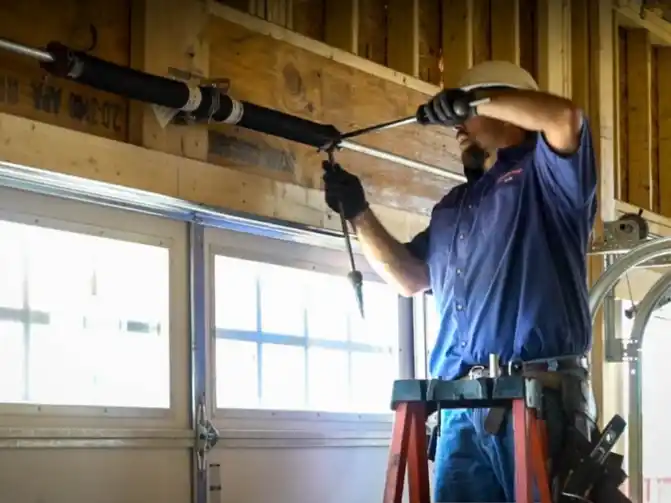
Garage door springs are designed to offset the full weight of the door so it can move smoothly with minimal effort. Torsion springs mounted above the door twist to generate a lifting force, while extension springs along the tracks stretch and contract as the door opens and closes. Both systems remain under continuous tension, even when the door is not in motion, which exposes the metal to constant stress.
Over thousands of operating cycles, this stress slowly alters the spring steel. Each movement causes the metal to flex slightly, and with repeated use, tiny fractures begin to form. Over time, those fractures grow until the spring reaches the end of its usable lifespan and fails. When that happens, the force needed to lift the door disappears, transferring excessive weight to the cables and opener. Addressing spring failure promptly helps restore balance and prevents additional strain on other components.
Gradual Cable Wear That Results in Garage Door Cable Repair
Garage door cables work in tandem with the springs to guide the door evenly as it moves, a relationship that depends heavily on proper garage door installation from the start. These steel cables wind and unwind around drums while carrying heavy loads, all while being exposed to friction and environmental conditions. Moisture, surface abrasion, and repeated tension slowly weaken the cable strands, leading to fraying, corrosion, or stretching that reduces their strength.
A damaged cable can create serious safety concerns. If one cable fails, the door may drop suddenly or hang at an angle, making operation unpredictable and unsafe. Proper tension on both sides of the door is essential for balanced movement, and even slight differences can cause the door to tilt. That imbalance places added stress on tracks, rollers, and the opener, increasing wear throughout the system.
Common signs of cable wear include:
- Frayed or broken strands along the cable
- Slack cables that appear loose when the door is closed
- A door that looks crooked or struggles to move evenly
Recognizing these conditions early helps prevent wider system damage and reduces the risk of sudden failure that can disrupt normal garage door operation.
Why Aging Systems Require Garage Door Opener Repair
The garage door opener serves as the control center for the entire system, managing movement while coordinating with every other working part. Although openers are built for long-term use, their lifespan is closely tied to the condition of the door itself. As components such as springs, rollers, and tracks begin to wear, the door can lose its balance, forcing the opener to compensate with extra effort during each cycle.
That added strain gradually affects the opener’s internal components, including the motor and drive mechanisms. What begins as a minor imbalance can turn into excessive wear inside the unit, increasing the likelihood that garage door opener repair will be needed. When the surrounding mechanical parts are functioning as they should, the opener can operate smoothly and efficiently, reducing stress on the system and supporting consistent performance over time.
For more insight into this process, read our blog “When Aging Systems Need Garage Door Repair.”
Declining Performance in Older Garage Door Openers
Over time, even a well-functioning garage door opener will show signs of aging, especially when routine garage door maintenance is overlooked. Operation may slow, the door may hesitate as it lifts, or unfamiliar sounds such as grinding or humming may become noticeable. In some cases, the opener may reverse unexpectedly or fail to respond consistently, indicating that internal components are no longer performing as intended.
These symptoms are often influenced by wear elsewhere in the system. A door that is no longer properly balanced places additional demand on the opener, causing the motor to work harder than designed and accelerating internal wear. Evaluating both the opener and the door as a whole helps clarify whether the issue stems from the unit itself or from another component affecting its performance.
The table below highlights common signs of declining opener performance and what they may indicate:
| Sign of Wear | Potential Cause |
| Grinding or squealing noises | Worn internal gears or motor fatigue |
| Slow or strained operation | Reduced motor efficiency or door imbalance |
| Unresponsive remote control | Internal signal or control component deterioration |
| Door reversing unexpectedly | Sensor alignment issues or system stress |
Recognizing these changes early allows underlying problems to be addressed before they place additional strain on the opener or disrupt the operation of the entire garage door system.
Situations Where Wear Can Escalate to Emergency Garage Door Repair
Ignoring early signs of wear can cause a garage door to fail without warning, often resulting in emergency garage door repair situations that demand immediate attention. When critical components such as springs or cables break, the door can become unstable and dangerous, creating a serious risk of injury or property damage and requiring a professional to secure the area and restore safe operation. A single failure can bring the entire system to a halt, trapping vehicles inside or leaving the home exposed, as a snapped cable may cause the door to slam shut or hang at an angle, while a broken spring removes the lifting support that keeps the door manageable. Warning signs that typically signal an emergency include a loud bang followed by a door that will not open, a door that has come off its tracks and hangs unevenly, or a cable that has snapped or unspooled and causes the door to stick or drop. In these situations, attempting to move the door can worsen the damage or lead to serious injury, which is why professional emergency garage door repair is essential to address the problem quickly and safely.
Understanding how wear and tear affect the operation of a garage door plays an important role in keeping the system reliable and safe. Over time, daily use combined with environmental exposure gradually wears down key components, creating conditions that eventually require repair. Paying attention to changes in how the door looks or operates makes it easier to recognize early signs of wear before they develop into larger, more disruptive issues. Older garage door systems, in particular, often require closer attention to continue functioning properly and safely. When wear is identified early and addressed with professional support, it helps extend the life of the door, reduces the likelihood of unexpected breakdowns, and ensures safe operation for everyone who relies on it.
For homeowners looking for experienced support, Rocket Garage Doors Inc offers knowledgeable service focused on long-term performance and safety. Our team understands how wear develops across garage door systems and approaches each situation with careful evaluation and clear communication. If you have concerns about your garage door or want professional insight into its condition, contact us today or give us a call to schedule a consultation and keep your system operating with confidence.