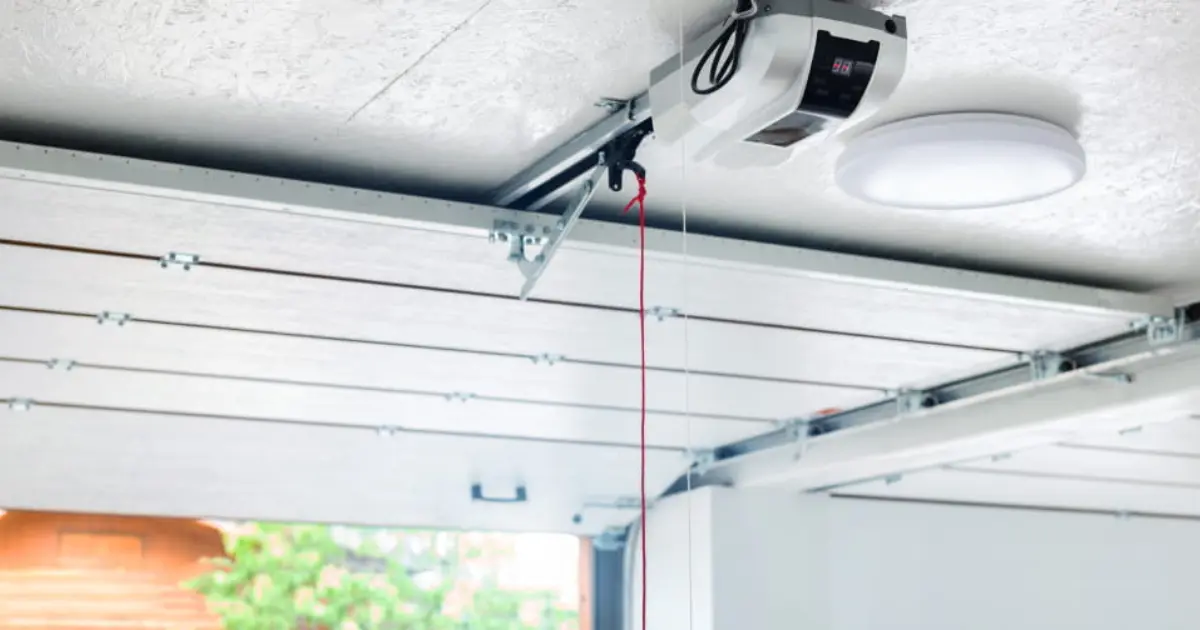
Your garage door is more than a simple entry point into your home. It is a large, constantly moving system that operates under significant weight and tension every day. Over time, regular use begins to take a toll on its components, making garage door repair an eventual necessity. Each time the door opens and closes, it carries its own weight, reacts to changing weather conditions, and places ongoing stress on its moving parts. Gradually, these combined forces lead to natural wear that cannot be avoided.
Understanding the early signs of wear allows you to address issues before they disrupt normal operation and require emergency garage door repair. When problems are identified early, garage door maintenance becomes a proactive step rather than a reaction to sudden failure. This approach helps preserve overall performance, reduces unexpected breakdowns, and supports the long-term reliability of the entire system.
How Garage Doors Wear Down Over Time
Each time your garage door opens or closes, a complex set of components works together to support its movement. This repeated motion happens day after day, often without much thought, but the strain gradually adds up. As usage increases, friction, tension, and the door’s weight place ongoing stress on the system. Even durable garage door components are affected by this constant workload. Early on, these changes are subtle and easy to miss, yet they slowly accumulate until overall performance begins to decline.
Recognizing wear in its early stages plays an important role in keeping the door operating smoothly. Without regular attention, minor issues can grow into larger problems that interfere with normal function or create safety concerns. Understanding which components tend to wear out first and how they interact within the system makes it easier to see why repairs eventually become unavoidable as garage doors age.
For a deeper look into the factors behind recurring problems, explore our related blog, “What Causes Frequent Garage Door Repair Issues?”
Key Components That Gradually Affect Door Performance
Certain garage door components bear more responsibility than others, which causes them to experience wear more quickly. Springs and cables handle the majority of the door’s weight every time it moves. Torsion springs and extension springs operate under constant tension, storing and releasing energy that is transferred through the cables to raise and lower the door.
Over time, this repeated strain can cause cables to weaken. Friction may lead to fraying, moisture can encourage corrosion, and stretching can reduce proper tension. When a cable fails, the door can lose balance, increasing strain on the rest of the system and creating potential safety risks. Monitoring these components helps identify early warning signs before sudden failures occur.
The following parts are among the most commonly affected by long-term use:
- Torsion Springs: Designed to counterbalance the door’s weight, these springs gradually lose strength as tension cycles accumulate.
- Extension Springs: Positioned along the sides of the door, they stretch and retract with each operation, which can weaken the metal over time.
- Cables: Constantly under load, these metal lines may fray, rust, or break as stress builds.
- Bottom Bracket: This component connects the cables to the door and endures significant pressure during operation.
Understanding how these parts function together makes it easier to recognize why wear in one area often affects the entire system.
The Combined Role of Springs, Cables, and Openers
A garage door relies on a coordinated balance between the springs, cables, and opener. The springs carry most of the door’s weight, storing energy through tightly wound tension that offsets the door’s mass. This balance allows the door to move smoothly with minimal effort, while the opener’s role is primarily to guide and control the motion rather than lift the full load.
Cables and drums play a crucial supporting role in this process. The cables run over grooved drums and connect the springs to the door itself. As the door opens, the springs unwind and transfer energy through the cables, which wrap around the drums to raise the door in a controlled manner. This system keeps movement steady and evenly balanced throughout each cycle.
Because every component depends on the others, wear in one area often leads to additional strain elsewhere. A weakened spring can force the opener to work harder, while cable problems that eventually require garage door cable repair may cause the door to shift out of balance and place added stress on the tracks and hardware. For this reason, garage door reliability depends on the condition of the entire system rather than any single part.
Why Garage Door Repair Becomes Necessary as Systems Age
As a garage door system grows older, the effects of daily use and ongoing exposure to the elements begin to accumulate. Over time, this wear makes repairs almost unavoidable. What starts as a minor issue, such as a weakening spring or light cable damage, can gradually develop into a larger problem when left unaddressed. As components strain to compensate, additional parts of the system may also begin to suffer, increasing the overall impact.
Older systems are especially vulnerable to sudden failures. A worn cable can snap without warning, or a fatigued spring may give out unexpectedly, causing the door to drop or stop functioning altogether. These situations are not only inconvenient but potentially dangerous, which is why consistent maintenance becomes increasingly important as a garage door ages. Addressing wear early reduces the likelihood of escalation and helps extend the working life of the entire system.
To learn more about this process, take a moment to read our related blog, “How Wear and Tear Lead to Garage Door Repair.”
Environmental and Usage-Related Stress on Garage Doors
Garage doors are exposed to constant stress from both their surroundings and daily operation. Weather plays a significant role in how long components last, particularly when moisture and humidity lead to rust on metal parts such as cables, springs, and tracks. Rust weakens these components and increases friction, forcing the system to work harder with each movement.
Usage patterns also have a major influence on wear. Doors that open and close multiple times a day experience faster fatigue than those used only occasionally. Frequent operation accelerates spring tension loss and can cause cables to fray over time, eventually leading to the need for garage door cable repair. As wear increases, door balance can shift, placing additional strain on the opener and reducing overall reliability.
Several factors commonly contribute to accelerated wear:
- Frequency of Use: Higher cycle counts lead to faster deterioration of moving components.
- Moisture and Humidity: Persistent exposure encourages rust and corrosion that weaken metal parts.
- Temperature Fluctuations: Extreme heat and cold cause expansion and contraction, which can affect alignment and tension.
When these stresses combine, system performance can decline more quickly, making regular evaluation essential for maintaining safe operation.
How Ongoing Wear Can Lead to Emergency Garage Door Repair
When early signs of wear are ignored, relatively small issues can escalate into urgent situations. A cable weakened over months of use may suddenly snap, or a spring under prolonged stress can break without warning. When a critical component fails, the garage door may no longer open or close safely, creating immediate concerns for both security and personal safety.
In these situations, the door may slam shut unexpectedly or become stuck in an open position. While the emergency release cord disconnects the opener, it does not resolve the underlying mechanical failure. Acting quickly becomes essential to prevent further damage or injury. Emergency garage door repair exists to address these sudden breakdowns and restore safe operation when normal function is no longer possible.
Attempting to force a malfunctioning door can worsen the damage and increase the risk of injury. Restoring proper balance and control requires careful handling of the system’s components, especially when issues stem from impropergarage door installation or long-term wear. When unexpected failures occur, emergency garage door repair provides a reliable way to regain safety and ensure the door operates smoothly once again.
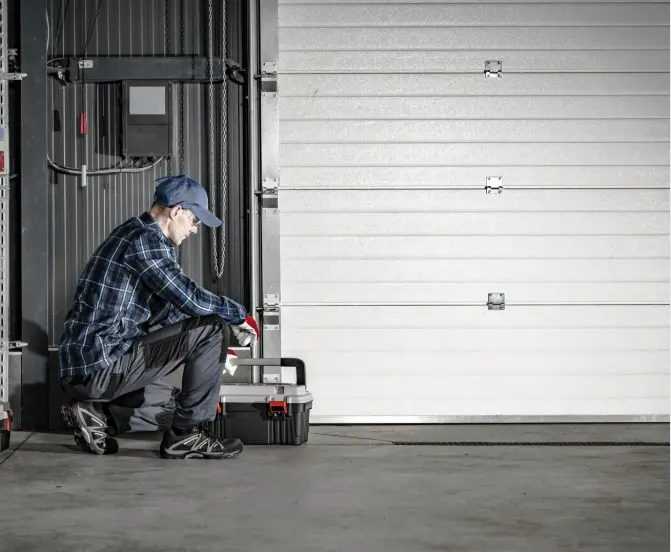
Common Garage Door Repair Issues by Component
A garage door system is made up of many interconnected parts, yet some components are more prone to wear than others. Understanding where problems tend to develop makes it easier to recognize trouble before it escalates. In most cases, garage door repair involves the springs, cables, or opener, since these parts handle the greatest amount of movement and mechanical stress.
When a garage door stops working properly, the cause can often be traced back to one of these key components. A damaged cable may prevent the door from lifting evenly, while a failed spring can make the door too heavy for the opener to manage. Over time, strain on any one of these parts affects the entire system. Recognizing common failure points helps explain why certain repairs become more frequent as garage doors age.
For a closer look at this progression, explore our related blog, “When Aging Systems Need Garage Door Repair.”
Garage Door Spring Repair and Garage Door Cable Repair Causes
Garage door spring repair and garage door cable repair are closely connected, and issues with one often appear alongside problems with the other, especially when regular garage door maintenance is overlooked. This overlap occurs because springs and cables work together to support and control the door’s movement. Springs are responsible for counterbalancing the weight of the door, while cables transfer that lifting force directly to the door panels.
When a spring weakens or fails, it can no longer support the door’s weight effectively. As a result, the cables are forced to carry additional strain, increasing the likelihood of snapping or fraying. In some cases, a cable fails first, throwing the door out of balance and placing uneven pressure on the springs. Once that balance is disrupted, further damage often follows, affecting multiple components at once.
Several factors commonly contribute to spring and cable failure over time:
- Loss of Spring Tension: Repeated cycles gradually weaken the metal, reducing its ability to support the door’s weight.
- Rust and Buildup: Moisture, dirt, and corrosion compromise the strength of both springs and cables.
- Cable Fraying: Ongoing friction against drums or pulleys wears down cable strands.
- Uneven Weight Distribution: Imbalanced doors place excessive strain on individual components.
- Sudden Obstruction or Impact: Unexpected resistance during operation can cause cables to snap under pressure.
- Natural Aging: Springs and cables are subject to fatigue and have a limited lifespan due to constant use.
Because these components depend on one another, wear in one area often accelerates failure in another. This interdependence explains why spring and cable issues are among the most common and closely related garage door repair concerns.
Garage Door Opener Repair Challenges in Aging Systems
When a garage door begins to malfunction, the opener is often assumed to be the source of the problem simply because it is the most visible and recognizable component. In reality, many issues that seem related to garage door opener repair are caused by underlying mechanical failures involving the springs or cables, particularly in older systems where multiple parts may be wearing down at the same time. A strained motor or unusual noises do not always point to an opener failure, as the motor may be working harder than intended due to a spring that has lost tension or a cable that is creating resistance during operation. Likewise, a door that refuses to open may be responding to a broken spring rather than an issue with the opener itself. Because cable and spring problems can affect door movement in ways that closely resemble opener malfunctions, misidentifying the root cause often leads to delays and ineffective repairs, making it important to understand how these components influence overall system behavior.
Understanding why a garage door system may require repair over time is an important part of keeping your home secure and convenient to use. As years pass, daily operation and ongoing exposure to the elements place steady strain on the system, causing key components to wear down and function less reliably. When these changes are left unaddressed, the door may become harder to operate and less safe for everyone who relies on it. Springs, cables, and openers all play a critical role in smooth movement, and recognizing when these parts begin to struggle can prevent more serious issues from developing. Addressing concerns early supports consistent performance, extends the lifespan of the system, and helps ensure the garage door continues to operate as intended.
When professional insight is needed, Rocket Garage Doors Inc is a trusted name known for clear communication, dependable service, and a strong understanding of how garage door systems change over time. Our experience with aging doors allows issues to be identified accurately and addressed with care, helping homeowners restore safety and reliability with confidence. If you’re ready to have your garage door evaluated or want expert guidance on next steps, contact us today or give us a call and take the first step toward smoother, safer operation.