Your garage door has many working parts that need proper care to keep everything operating smoothly over time. As the system ages, the same issues can begin to surface again and again, disrupting your routine and creating concerns about your home’s security. These recurring problems rarely happen without a reason, and understanding why they appear is the first step toward resolving them in a lasting way.
Daily use places a steady strain on moving components, while changing weather conditions can accelerate wear across the entire system. When these factors combine, parts may stop functioning as they should, sometimes progressing into situations that require emergency garage door repair. Recognizing what causes this gradual decline makes it easier to understand when garage door maintenance becomes necessary, helping ensure the system remains reliable, secure, and dependable for years to come.
What Leads to Frequent Garage Door Repair Problems
Frequent garage door repair issues usually stem from two main sources: everyday use and ongoing exposure to environmental conditions. Each time the door opens or closes, its mechanical components are placed under stress as parts move, press, and rub against one another. Over time, this repeated motion gradually wears components down, especially when regular garage door maintenance is overlooked. What may begin as a minor issue can slowly grow into a larger failure that interferes with smooth and reliable operation.
Environmental exposure adds another layer of strain to the system. Moisture, temperature changes, and persistent humidity all affect how garage door components age. Metal parts such as cables can begin to corrode when exposed to moisture, weakening the material and increasing the risk of breakage. When the system becomes unbalanced or certain components are forced to carry more load than intended, wear accelerates across the entire door. Understanding how daily operations and local conditions contribute to these problems helps explain why garage door issues tend to reappear over time.
For a deeper look at this process, the blog “Why Does Garage Door Repair Become Necessary Over Time?” explores these causes in greater detail.
How Daily Operation Gradually Creates Garage Door Repair Issues
The simple act of using a garage door every day places consistent stress on its internal components. Rollers, hinges, and bearings are in constant motion, and friction occurs with every cycle. After thousands of openings and closings, this repeated movement can affect the door’s balance and alignment, making smooth operation more difficult and increasing the likelihood of mechanical problems.
When one component begins to wear out, the impact often spreads to other parts of the system. Worn rollers, for example, can cause uneven movement or sudden jolts as the door travels along the tracks. This uneven motion places added strain on the cables and the opener, forcing them to work harder to compensate. Over time, this chain reaction can lead to larger failures, especially when gradual wear goes unnoticed.
Common issues linked to long-term daily use include:
- Rollers that wear down and cause noisy or uneven movement
- Cables that weaken from constant contact with drums and pulleys
- Hinges and brackets that loosen or lose structural integrity
The Impact of South Florida Weather on Garage Door Performance
South Florida’s climate plays a major role in how long a garage door system remains dependable. High humidity combined with salty coastal air creates an environment where rust can develop quickly on exposed metal parts. Springs, cables, and tracks are particularly vulnerable, and once corrosion begins, their strength and reliability can decline faster than expected. This environmental stress often leads to an increased need for garage door repair and, in many cases, garage door cable repair as corrosion weakens critical components.
Weather conditions in the Fort Lauderdale area can also affect garage door materials in other ways. Prolonged sun exposure may cause paint to fade or peel, while frequent rain can lead to warping or deterioration in certain door materials. During hurricane season, strong winds place significant pressure on the entire system, and doors that are not designed to handle these forces may become misaligned or damaged, affecting both function and safety.
South Florida weather can contribute to garage door issues in several ways:
- Springs and cables may corrode and lose strength due to humidity
- Door panels can fade, swell, or warp from sun and moisture exposure
- Severe storms may knock the door out of alignment
- Garage door openers can be affected by humidity and electrical instability
Why Wear and Aging Often Result in Garage Door Spring and Cable Repair
Garage door springs and cables play a central role in supporting and moving the weight of the door. Every time the door opens or closes, these components absorb significant force as torsion or extension springs manage tension while cables guide the door’s movement. Because they carry so much of the system’s workload, springs and cables are exposed to greater stress than most other parts, which makes them more likely to wear out over time.
As years pass, the metal within springs gradually weakens, while cables may deteriorate due to friction or exposure to moisture. Rust, fatigue, and repeated strain can reduce their strength, leading to garage door cable issues or spring failure. When either component begins to fail, the door may feel unusually heavy or operate unpredictably, creating both functional and safety concerns. This natural aging process explains why garage door spring repair and garage door cable repair are among the most common repair needs in an aging system. Understanding how these components break down helps clarify why wear-related issues tend to appear after long-term use.
For a closer look at this process, the blog “How Wear and Tear Lead to Garage Door Repair” expands on how aging impacts these critical parts.
How Component Fatigue Develops Into Garage Door Spring Repair Issues
Garage door springs are designed to operate for a limited number of cycles, with each full opening and closing counting as one. Over time, the repeated winding and unwinding of torsion springs causes gradual metal fatigue. As the spring weakens, it loses its ability to properly support the door’s weight, which can lead to imbalance and reduced control. When a spring finally reaches its breaking point, the failure often occurs suddenly and may be accompanied by a sharp, loud sound.
Spring tension plays a critical role in how smoothly the entire garage door system functions. When tension is properly balanced, the door moves evenly and remains stable throughout its travel. If the tension shifts in either direction, other components must compensate, placing added strain on the opener, cables, and hardware. This imbalance accelerates wear across the system and increases the likelihood of repeated garage door spring repair issues.
Common signs associated with spring fatigue include:
- The door feels unusually heavy during manual operation
- Visible gaps or separation in the spring coils
- Uneven movement or difficulty maintaining balance while opening
Why Structural Stress Commonly Leads to Garage Door Cable Repair Problems
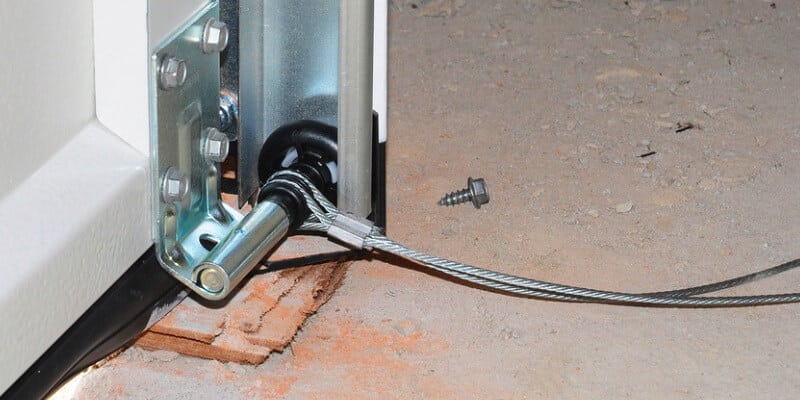
Garage door cables work alongside the springs to lift and lower the door in a controlled manner, a function that depends heavily on proper garage door installation from the start. These steel cables remain under constant tension and endure significant strain as they guide the door along its tracks. Over time, repeated contact with drums and pulleys can wear the cable surface, while exposure to humidity and moisture may weaken the metal through corrosion. Together, these factors make cable-related problems more likely as the system ages.
When a cable begins to fail, the door may shift unevenly, bind in the tracks, or lose stability during movement. Cable issues are often connected to other system conditions, such as misaligned tracks or uneven spring tension, which increase the load placed on the cables. Stress also concentrates near connection points like the bottom bracket, where tension is highest, and wear tends to develop more quickly.
Garage door cable repair is commonly associated with the following causes:
- Fraying caused by ongoing friction and repeated movement
- Corrosion resulting from prolonged exposure to moisture and humidity
- An imbalanced tension that places uneven stress on the cables
Common Causes Behind Garage Door Opener and Emergency Repair Issues
The garage door opener is responsible for powering the entire system and making daily operation effortless. Because it carries this responsibility, it is especially sensitive to problems elsewhere in the door assembly. When components such as springs, rollers, or cables begin to fail, the opener must compensate by working harder than it was designed to do. Over time, this added strain places excessive pressure on the motor and internal gears, increasing the likelihood of garage door opener repair.
Some garage door problems escalate quickly and create emergency situations when safety or property security is compromised. A door that becomes stuck in the open position can leave a home or building exposed, while a door that drops unexpectedly presents a serious risk of injury or damage. These situations often develop after a critical component fails, such as a snapped cable or broken spring, leaving the opener unable to control the door’s movement. Because the opener depends on the rest of the system to function correctly, sudden failures can affect both residential and commercial garage doors without warning.
To explore how aging systems contribute to these urgent issues, the blog “When Aging Systems Need Garage Door Repair” provides additional insight.
How Mechanical and Electrical Strain Affects Garage Door Opener Repair
Garage door openers rely on a balance of mechanical movement and electrical control to operate smoothly, a balance that is closely tied to consistent garage door maintenance. Mechanical strain often begins when the door itself is no longer properly balanced. If weakened springs cannot support the door’s weight, the opener motor must exert additional force during every cycle. This increased workload accelerates wear on gears, chains, belts, and internal motor components, eventually leading to operational failure.
Electrical strain can compound these issues and introduce additional problems. Power fluctuations caused by storms may damage circuit boards, while aging wiring inside the opener can lead to intermittent operation. Safety sensors may also become misaligned or obstructed, preventing the door from closing correctly and placing further stress on the system. Because all components are interconnected, problems in one area often spread, making opener-related issues more frequent and more complex over time.
Common issues linked to mechanical and electrical strain include:
- The motor runs while the door remains stationary, often due to worn internal gears
- Slower operation or sudden stopping during opening or closing cycles
- Inconsistent response from the opener caused by electrical interruptions
Unexpected Failures That Trigger Emergency Garage Door Repair Situations
An ordinary garage door issue can quickly turn into an emergency when it creates an immediate safety risk or leaves a property unsecured, especially if the door becomes stuck halfway open, comes off its tracks, or loses stability without warning. These situations often develop suddenly after the failure of a critical component, such as a spring, cable, or roller, causing the door to lose proper support and increasing the chance of abrupt or dangerous movement. A snapped cable or broken spring can allow the door to fall unexpectedly, putting people, vehicles, and nearby property at risk, which is why these problems go beyond inconvenience and demand urgent attention. Any garage door that is non-operational and poses a hazard should be treated as an emergency, particularly when warning signs include a loud bang followed by a door that will not open, a door hanging unevenly with a loose cable visible, rollers coming out of the tracks and jamming the door at an angle, or an opener that fails to respond and leaves the door stuck open or closed.
Garage door repair problems can develop for many reasons, especially when the system is used frequently and exposed to the demanding weather conditions common in South Florida. Daily operation places ongoing strain on components such as the opener, while heat, humidity, and moisture gradually affect how well the entire system performs over time. Understanding what drives these issues makes it easier to address them early and stay prepared for potential problems down the road. When recurring trouble appears, evaluating the condition of the door and its components can help restore smooth operation and support long-term reliability.
When it comes to identifying underlying issues and keeping garage door systems operating smoothly, Rocket Garage Doors Inc is known for its dependable approach and deep understanding of how wear, weather, and daily use affect performance over time. Our experience with South Florida conditions allows us to address problems thoroughly rather than focusing on temporary fixes. If your garage door continues to show signs of trouble, contact us today or give us a call to schedule an evaluation and take the next step toward reliable, long-lasting operation.