
Your garage door is made up of many parts that work together to support safe and reliable access to your home. With daily use over the years, those parts naturally begin to age and show signs of wear that can affect how smoothly the system operates. While a newer garage door typically opens and closes with little effort, older systems often experience gradual changes that make operation less dependable and, in some cases, less safe.
Understanding how aging impacts your garage door allows you to recognize when professional attention may be needed, including situations that call for emergency garage door repair. Addressing developing issues early helps maintain proper function and reduces the risk of unexpected malfunctions that can interfere with daily use or create safety concerns.
Understanding Garage Door Repair Needs in Aging Systems
As a garage door system ages, its components naturally begin to wear down from years of repeated use. Metal parts such as cables and springs are especially vulnerable because they are exposed to moisture, friction, and constant tension. Over time, this exposure can lead to corrosion, weakening, or gradual tearing that compromises how the system functions. When these early signs of wear appear, they often indicate that the door is no longer operating as intended. Left unaddressed, minor wear can place additional strain on surrounding components and increase the risk of more serious damage.
Addressing aging-related issues before they escalate plays an important role in keeping the entire system functioning properly. Gradual wear tends to spread from one component to another, making the door harder to operate and less reliable overall. By understanding how aging affects individual parts, it becomes easier to recognize when professional attention may be necessary and why timely service helps prevent larger disruptions to the system’s performance.
For a deeper look at how wear develops over time, our blog “Why Does Garage Door Repair Become Necessary Over Time?” explores this topic in more detail.
How Wear and Age Affect Overall Garage Door Operation
Each time a garage door opens or closes, its weight places stress on multiple components working together behind the scenes. Over the years, that repeated motion can lead to noticeable changes in performance, including uneven movement, unusual noises, or delayed operation. These changes are often early indicators that internal parts are no longer functioning in sync and that wear has begun to interfere with normal operation rather than remaining a cosmetic issue.
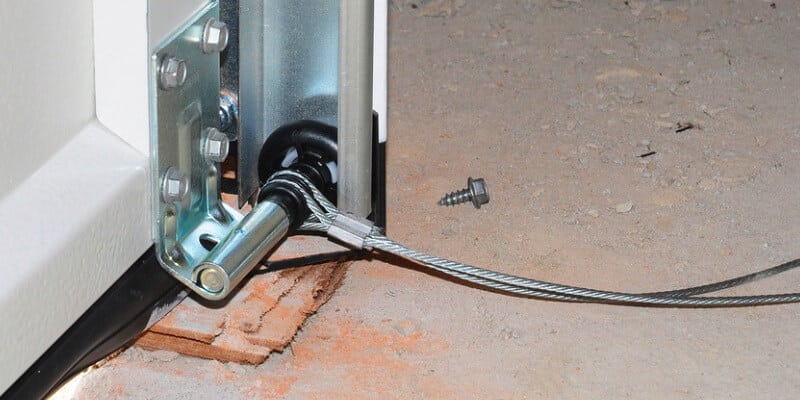
Cables, in particular, play a critical role in supporting the door’s weight and maintaining proper balance. As they age, signs such as fraying, corrosion, or slack can develop, affecting how evenly the door moves along its tracks. When tension is no longer distributed correctly, additional strain is placed on related components like springs and opener mechanisms. In older systems, this wear is sometimes compounded by limited part compatibility, which can make repairs more complex if incorrect components are introduced. This is why ongoing evaluation of aging systems is essential, as it helps preserve alignment, balance, and overall reliability.
When Aging Issues Lead to Emergency Garage Door Repair
Some wear is expected as a garage door system grows older, but certain failures can quickly shift from inconvenient to hazardous. A snapped cable is one of the most serious examples, as it can cause the door to become unbalanced or suddenly drop without warning. Situations like this present immediate safety concerns for people, vehicles, and property near the door opening.
When a cable fails, normal operation often stops entirely, sometimes leaving a vehicle trapped inside the garage or exposing the home to the outside, making garage door cable repair necessary. Continued use under these conditions can cause additional damage to tracks, panels, or opener components, increasing both repair complexity and safety risks. Cable failures also release significant stored tension, which is why loud noises or sudden door movement should never be ignored. In aging systems, these events signal the need for immediate professional attention to restore stability and reduce the likelihood of further damage.
Common Structural Issues in Older Garage Doors
A garage door relies on several interconnected components working in balance to support its weight and maintain safe operation. Springs provide the lifting force, while cables transfer that force evenly as the door moves along its tracks. As the system ages, these parts are placed under repeated stress every time the door opens or closes. Over the years, that constant strain can weaken both the springs and the cables, reducing their ability to support the door as intended.
When even one component begins to fail, the balance of the entire system can be affected. A weakened cable, for example, forces the remaining cable and the springs to carry additional load, which increases wear across the system. This imbalance often leads to recurring cable issues and can eventually result in more serious door failure if the strain continues unchecked.
Restoring proper balance requires more than replacing a single worn part. Professional garage door repair involves evaluating how each component interacts with the others so the entire system operates safely and smoothly. In aging doors, it is common for multiple parts to show signs of wear at the same time, which is why addressing related components together helps prevent repeat issues and improves overall stability.
To better understand why these problems often occur together, our blog “What Causes Frequent Garage Door Repair Issues?” takes a closer look.
Why Garage Door Spring Repair Becomes Necessary Over Time
Garage door springs play a critical role in counterbalancing the door’s weight, allowing it to open and close with controlled movement. Each use of the door places stress on the springs, and over time, the repeated cycles cause the metal to lose strength and tension. As this happens, the springs become less effective at supporting the door, placing greater demand on the rest of the system.
As springs wear down, several performance changes may become noticeable. The door may feel heavier during operation, move unevenly, or cause the opener to strain as it works harder to lift the load. In some cases, a visible gap in a torsion spring indicates a complete break, which requires immediate attention. When spring issues are ignored, the added strain can affect other components, including cables, which are then forced to absorb more weight than they were designed to handle.
Because springs and cables work together, declining spring tension often leads to an increased need for garage door cable repair in older systems. Addressing worn or failing springs promptly helps protect the cables and prevents excessive stress from spreading throughout the system.
How Aging Components Contribute to Garage Door Cable Repair
Garage door cables remain under constant tension and are exposed to ongoing friction as they move over drums and pulleys. Over time, this exposure can cause the metal strands to corrode, fray, or weaken, particularly in older systems that have seen years of use. As cables lose strength, they become more susceptible to failure, often without much warning.
When a cable fails, the door may shift out of alignment, operate unevenly, or stop moving altogether. These situations create serious safety concerns due to the stored tension within the system. Cable problems are rarely isolated, as worn pulleys, misaligned drums, or reduced spring tension can all contribute to premature cable failure.
Professional garage door cable repair addresses more than the damaged cable itself, especially when the system is part of an older garage door installation. A trained technician evaluates the surrounding components to identify what caused the failure and ensure the system is properly balanced once repairs are complete. This approach helps restore safe operation and reduces the likelihood of recurring cable issues in aging garage door systems.
Garage Door Opener Repair in Older Garage Door Systems
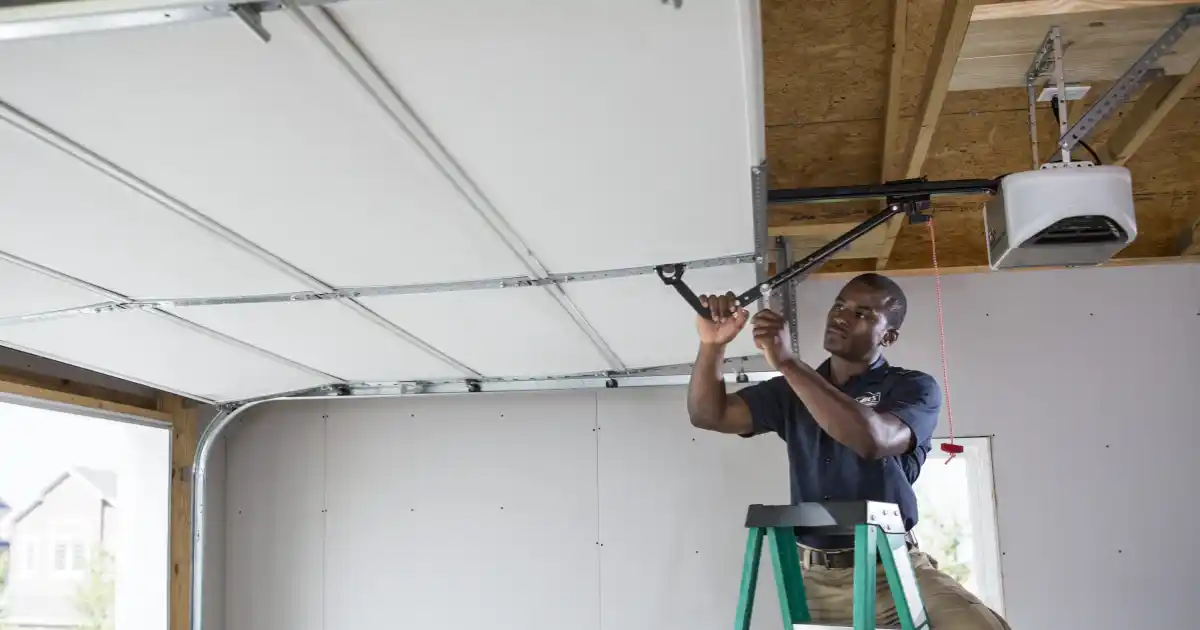
The garage door opener is responsible for moving the door smoothly and reliably each time it is used, relying on a motor, internal gears, and electrical components to do the work. As these parts age, they gradually lose efficiency and may no longer operate as intended. Wear inside the motor or gear assembly can develop after years of use, and electrical components are also subject to fatigue over time. When this happens, garage door opener repair becomes necessary to restore dependable operation.
Opener problems often point to broader issues within the garage door system rather than an isolated failure. When a motor strains or struggles to lift the door, it may be compensating for worn springs or improper cable tension elsewhere in the system. Because these components work together under high tension, addressing opener concerns requires a full understanding of how the door is balanced and supported. Evaluating the opener without considering the condition of the springs, cables, and hardware can lead to incomplete repairs and continued strain on the system.
For a deeper explanation of how these issues develop, our blog “How Wear and Tear Lead to Garage Door Repair” explores the connection in more detail.
How Mechanical and Electrical Wear Impact Opener Performance
Mechanical wear inside an aging opener can affect how smoothly the door moves. Worn gears may produce grinding noises or cause the door to slip during operation, while stretched chains or belts can result in uneven or jerky movement. These changes often indicate that internal components are no longer transferring power efficiently and that performance is beginning to decline.
Electrical wear can create equally disruptive problems. Aging circuit boards, failing safety sensors, or weakened signal connections may interfere with normal operation and prevent the door from responding consistently. Over time, even features designed for safety and emergency use can lose reliability, making it harder to control the door when power interruptions or system failures occur.
When signs of mechanical or electrical wear are ignored, the opener is forced to work harder than it should, which increases stress on the entire garage door system and highlights the importance of regular garage door maintenance. Continued operation under these conditions can accelerate wear on related components and lead to more extensive damage. Addressing garage door opener repair at the first sign of trouble helps preserve system balance, limits additional strain, and supports long-term reliability in older garage door systems.
When Declining Performance Signals the Need for Garage Door Opener Repair
One of the clearest signs of wear in an aging garage door system is a noticeable change in how the opener performs, such as slower movement, unexpected reversing, or loud noises during operation, all of which often prompt the first concern that something is wrong. While these symptoms may appear to point directly to the opener, they are frequently caused by underlying issues elsewhere in the system, including weakened springs that make the door feel heavier or improper cable tension that prevents the door from moving evenly and forces the motor to work harder than intended. Because these components rely on proper balance to function together, identifying the true source of the problem requires a full system evaluation rather than focusing on the opener alone. Attempting to address these issues without professional expertise can be risky, as garage door systems operate under significant tension, making a trained assessment essential to restoring safe and reliable operation.
Understanding the repair needs of an aging garage door system plays an important role in keeping it operating safely and reliably over time. As components wear down, issues such as weakened springs, cable deterioration, and other mechanical problems tend to appear more frequently, often signaling that the system is under increasing strain. Recognizing these warning signs early helps prevent minor concerns from developing into larger failures and supports the long-term performance of the door. Staying attentive to system condition and addressing problems promptly not only improves day-to-day operation but also reduces safety risks for everyone who uses the door. When performance changes become noticeable, seeking a professional evaluation can provide clarity and help avoid unexpected emergencies before they occur.
For homeowners looking for dependable support with aging garage door systems, Rocket Garage Doors Inc offers experienced service focused on safety, accuracy, and long-term reliability. Our team understands how older components work together and takes a system-wide approach to repairs, helping prevent repeat issues and unexpected breakdowns. If your garage door is showing signs of wear or no longer operating as it should, contact us today or give us a call to schedule an inspection and restore confidence in your garage door’s performance.